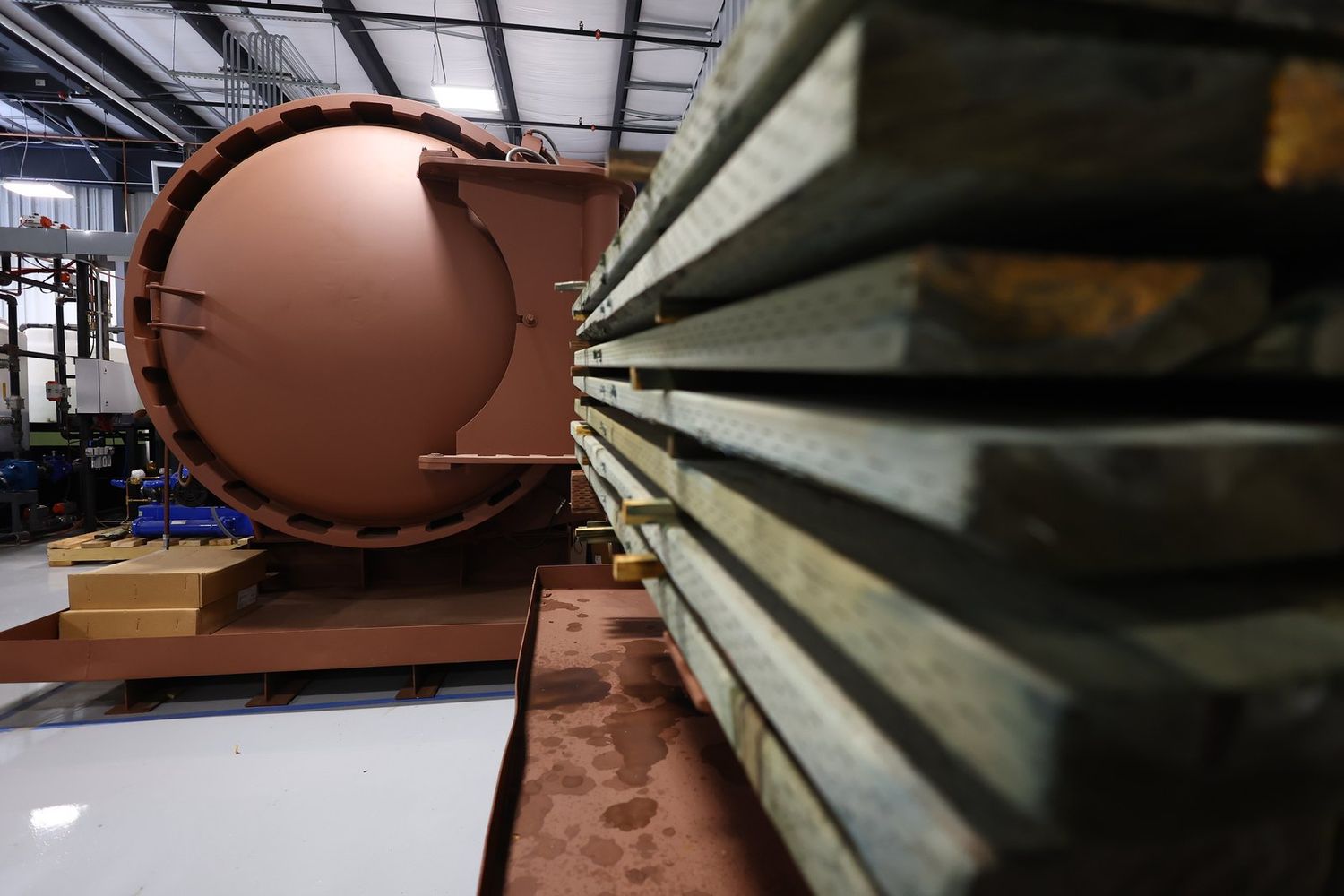
Copper(II) hydroxide carbonate reacts within pressure-treatment formulations to deliver bioavailable copper ions that penetrate lumber and resist fungal decay, insect attack, and pest degradation. Koppers Performance Chemicals pressure treats wood using this copper chemistry for residential, marine, agricultural, and utility infrastructure applications.
Basic copper carbonate, also called dicopper carbonate dihydroxide (CAS 12069-69-1), supplies the copper source for modern wood preservative systems. Manufacturers react this compound into formulations that penetrate lumber fibers, forming fungicidal and insecticidal barriers against biological degradation. Koppers Performance Chemicals applies this chemistry across pressure-treated products serving residential, commercial, marine, agricultural, and utility infrastructure construction needs.
Why Does Copper Carbonate Protect Wood So Effectively?
Copper carbonate protects wood by creating a chemical barrier that fungi, insects, and other pests cannot penetrate or tolerate. Copper compounds disrupt the biological processes that cause decay, stopping degradation before it starts. Lumber manufacturers and industrial wood treaters rely on this chemistry because it addresses the root cause of wood failure, not just the symptoms.
Copper-based wood preservatives are formulated specifically to defend against biological threats. The copper ions interfere with the metabolic functions of decay fungi and deter wood-boring insects from establishing colonies. This protection extends across the lifespan of treated lumber, making copper carbonate a foundational ingredient in modern preservation systems.
How Does This Compare to Other Copper-Based Treatments?
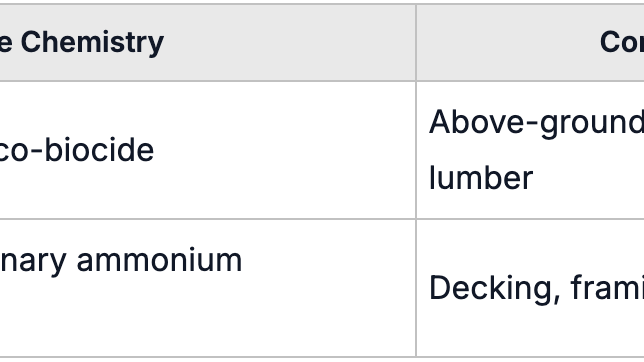
Builders and specifiers often weigh copper carbonate against alternatives like MCA (micronized copper azole) and ACQ (alkaline copper quaternary). Each system uses copper as the primary biocide but differs in formulation and carrier chemistry. The table below outlines the general distinctions construction professionals should understand:
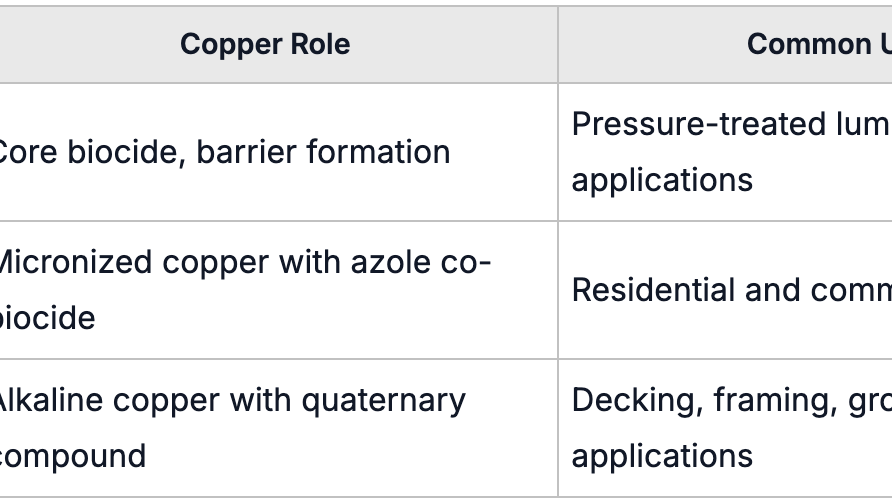
Koppers Performance Chemicals stands as a global leader in developing progressive wood preservative systems built on this copper chemistry. The company's wood science staff positions Koppers at the forefront of protection and enhancement technologies. These systems support pressure treatment across residential construction, remodeling, commercial building, heavy-duty marine work, and agricultural applications.
Why Does This Matter for Demanding Construction Projects?
Projects involving ground contact, marine exposure, or agricultural use demand preservatives built for severe conditions. Koppers formulates its copper-based wood preservatives to meet these exacting construction requirements. Specifiers who understand this chemistry make better decisions about long-term structural performance.
What Makes Basic Copper Carbonate Chemically Unique?
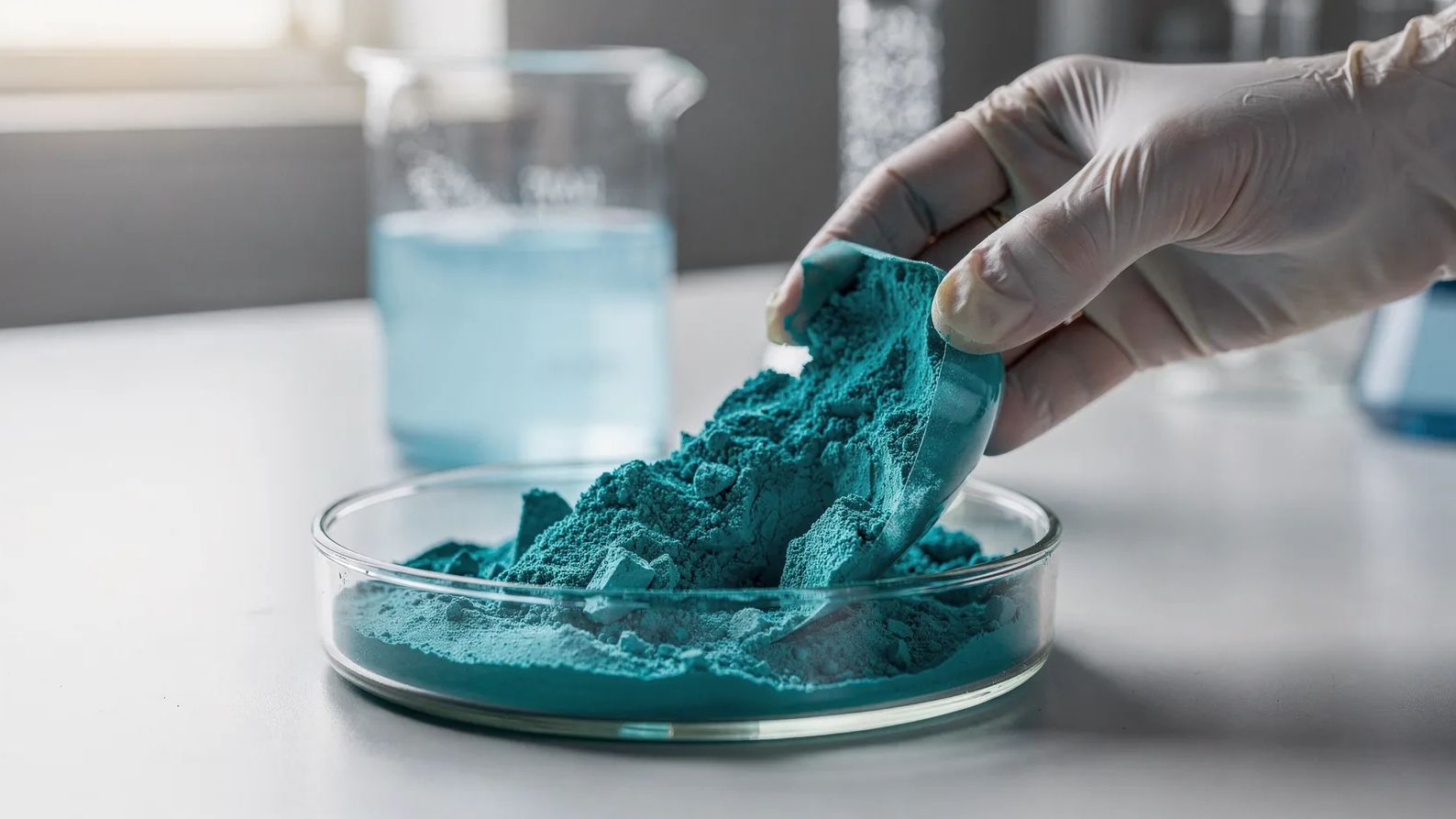
Molecular structure sets copper carbonate apart from conventional preservative salts. Micronized basic copper carbonate, chemically defined as CuCO3·Cu(OH)2 and abbreviated MBCC, combines carbonate and hydroxide groups bonded to copper in a single compound. Researchers have documented this chemistry specifically for its wood impregnation performance, examining how finely milled copper particles penetrate cellular structures rather than simply coating wood surfaces.
This dual-bond arrangement matters for specifiers evaluating treatment chemistries. Carbonate and hydroxide groups give the compound stability once inside the wood matrix, resisting the breakdown that weakens less sophisticated copper formulations over time.
How Does MBCC Compare to Standard Copper Treatments?
Standard copper treatments often rely on simpler copper salts dissolved in solution. MBCC chemistry uses micronized, or finely ground, particles instead of fully dissolved copper. Research into peroxide post-treatment of MBCC-impregnated wood has specifically targeted color stability. Copper treatments can cause noticeable surface color shift in exterior applications.
Why Does Chemical Structure Affect Treatment Performance?
Structure determines how copper interacts with wood fiber at a cellular level. A compound built from stable carbonate-hydroxide bonds resists leaching and degradation more consistently than loosely bound copper ions.
Koppers Performance Chemicals approaches this molecular-level science as a core discipline, not an afterthought. A dedicated staff of wood science professionals positions the company as a pioneer in protection. Enhancement chemistries, guided by core values including innovation and excellence. That technical rigor reflects a broader mission: advancing infrastructure through safer, stronger, and more sustainable solutions, built directly from the chemistry inside every treated board.
How Does Copper Carbonate Treatment Stop Decay?
Copper carbonate stops decay by penetrating deep into wood's cellular structure. It forms a chemical barrier that fungi and microbes cannot break through. This penetration is the mechanism, not a coating or surface film. Copper ions bond within the cell walls, creating conditions hostile to the organisms responsible for rot and structural breakdown.
This barrier matters most where wood faces relentless exposure. Lumber used in construction framing, outdoor decking, and marine pilings confronts moisture, fungal spores, and insect activity on a constant basis. Copper carbonate wood treatment addresses these threats directly by establishing resistance that lasts through years of environmental stress, rather than offering temporary protection that fades after a season or two.
Why Does Copper Work So Effectively Against Fungal Decay?
Fungi require specific conditions to break down wood fiber, and copper disrupts those conditions at the cellular level. The treatment interferes with the metabolic processes fungi depend on for growth, effectively starving decay organisms before they can establish a foothold.
Industrial treaters and specifiers rely on this mechanism across multiple formulation types, including:
- MCA (micronized copper azole) systems, which disperse copper particles for deep penetration
- ACQ (alkaline copper quaternary) formulations, combining copper with a quaternary compound for broad-spectrum protection
- Basic copper carbonate compounds, valued for compatibility with pressure treatment processes
Koppers extends copper-based protection systems beyond standard construction lumber into utility and infrastructure applications. Failure carries far greater consequences than cosmetic wear. Utility companies depend on decay-resistant treated wood for structures that must perform for decades without replacement. Koppers treats this supply role as a serious responsibility, delivering preservative systems engineered to meet demanding structural and regulatory standards across vital, load-bearing infrastructure.
Why Do Copper-Treated Boards Change Color?
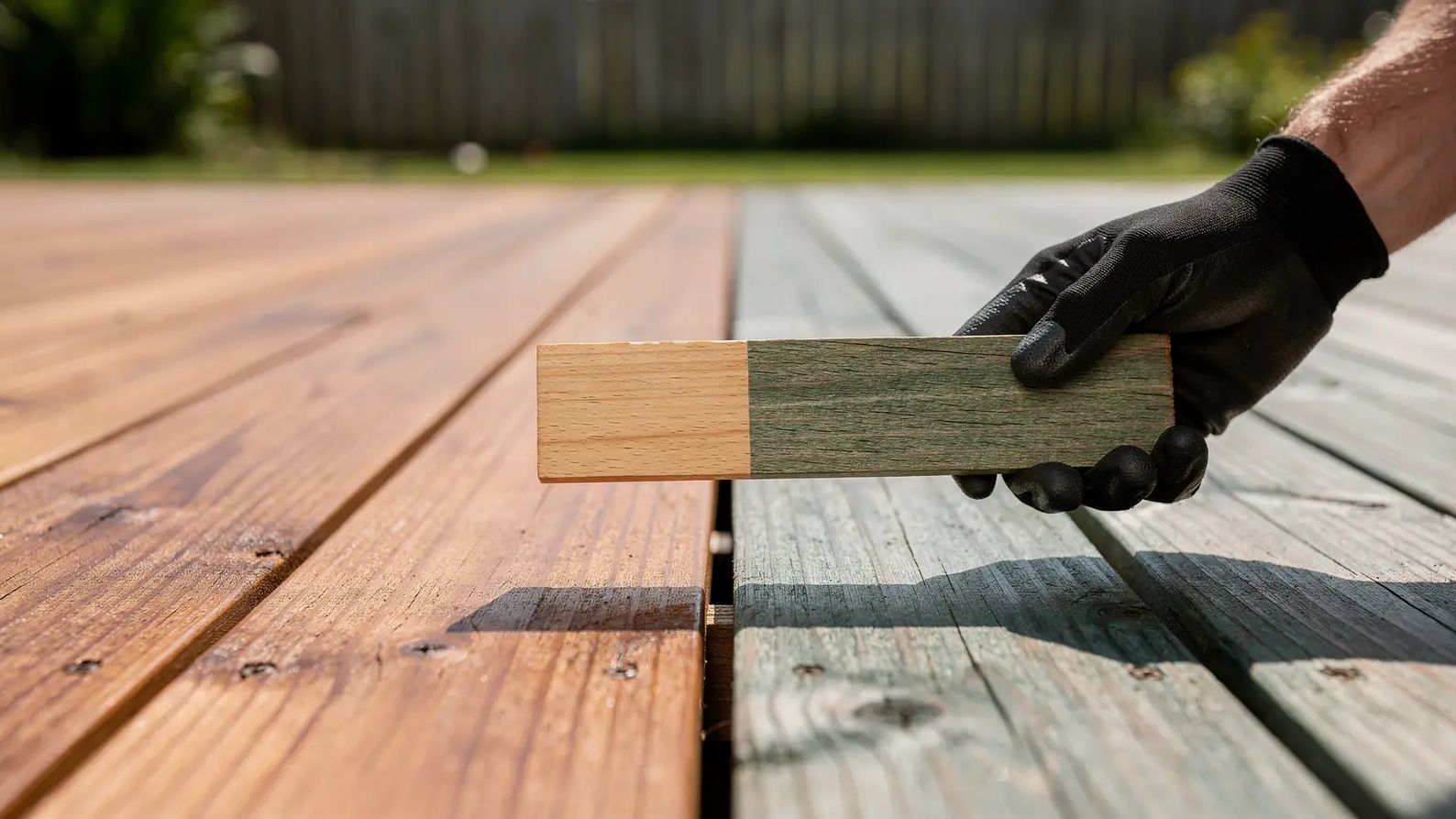
Exterior exposure drives the color shift seen in copper-treated lumber. Sunlight, moisture, and weathering cycles react with wood fibers and preservative chemistry, producing significant changes in surface tone over time. This reaction is a known characteristic of exterior wood, not a defect in the material or the treatment process.
Manufacturers have responded with formulation science. Some copper carbonate wood preservative systems incorporate colorants specifically designed to minimize this visible shift, giving specifiers more predictable, consistent appearance across a project's service life. This approach treats color stability as part of product performance, alongside decay and insect resistance.
Can Treated Wood Hold a Stable Color Over Time?
Research supports targeted post-treatment methods for achieving color stability. One documented approach applies a peroxide post-treatment to wood impregnated with micronized basic copper carbonate, also known as MCA (CuCO3·Cu(OH)2), to produce a stable brown finish. This process was studied specifically for its ability to convert treated wood to a consistent brown tone rather than leaving it to weather unpredictably.
Does Preservative Chemistry Choice Affect Appearance?
Yes. Formulation differences among copper-based systems, including copper carbonate wood treatment chemistries and ACQ (alkaline copper quaternary), influence how boards age visually alongside how they resist biological degradation. Specifiers comparing systems should weigh appearance performance together with protective performance.
For Koppers Performance Chemicals, color behavior sits within a broader commitment to sustainability, one of the company's core values guiding ongoing research into how treated wood performs and appears across its service life. Lumber manufacturers and treaters evaluating preservative systems benefit from understanding that color change reflects normal wood chemistry, not treatment failure, and that formulation advances continue to address it directly.
Which Copper System Suits Your Next Project?
Project requirements, not preference, determine the right copper-based system. Exposure conditions, ground contact, and structural load all factor into the decision. Copper hydroxide carbonate compounds serve as essential building blocks across modern preservative formulations, giving specifiers a dependable chemistry base for decay protection.
Lumber manufacturers and treaters typically weigh two major preservative families: micronized copper azole (MCA) and alkaline copper quaternary (ACQ). Each relies on copper's fungicidal properties but differs in supporting chemistry and intended application.
Is MCA Better Than ACQ for Structural Lumber?
Neither system outperforms the other universally; suitability depends on the application. MCA pairs copper with an azole co-biocide, broadening protection against decay organisms. ACQ pairs copper with a quaternary ammonium compound, a formulation long trusted for general construction lumber and agricultural wood products.
What Role Does Copper Carbonate Play in These Systems?
Copper carbonate wood treatment chemistry supplies the active copper component that penetrates wood cells and establishes a lasting defense barrier. Hydroxide carbonate forms of copper remain foundational to formulating preservatives that resist fungal and insect degradation.
Specifiers evaluating a preservative system should consult engineering support rather than guess. Koppers Performance Chemicals supplies wood preservatives, fire retardants, engineering services, and customized marketing support, backed by a high level of technical guidance. That support reflects a broader purpose: protecting what matters and preserving the future through preservation chemistries built to last.
Copper Carbonate Chemistry and the Future of Wood Preservation
Basic copper carbonate transforms into a cornerstone of modern wood preservation through rigorous chemical engineering and pressure treatment processes that deliver proven performance across demanding applications. Koppers Performance Chemicals harnesses this foundational chemistry to protect lumber in residential construction, commercial building, marine environments, and agricultural settings, ensuring the durability and safety that utility companies and critical infrastructure depend upon. This conversion from raw material to advanced preservative system exemplifies our commitment to technical excellence and industry leadership in wood treatment innovation.
Frequently Asked Questions
What is basic copper carbonate used for in wood preservation?
Basic copper carbonate, also called dicopper carbonate dihydroxide (CAS contact us), supplies the copper source for pressure-treatment formulations. Manufacturers react it into preservative systems that penetrate lumber fibers and form fungicidal and insecticidal barriers against decay, insects, and other pests.
How is copper carbonate different from MCA and ACQ preservatives?
Copper carbonate acts as the core biocide and barrier-forming compound in many preservative systems, while MCA (micronized copper azole) adds an azole co-biocide for broader decay resistance, and ACQ (alkaline copper quaternary) pairs copper with a quaternary ammonium compound. All three rely on copper's fungicidal properties but differ in supporting chemistry and typical application, from pressure-treated lumber to decking, framing, and agricultural structures.
Why do copper-treated boards change color over time?
Exterior exposure to sunlight, moisture, and weathering cycles reacts with wood fibers and preservative chemistry, causing a gradual color shift. This is a normal characteristic of exterior wood rather than a defect. Some formulations incorporate colorants or post-treatments, such as a peroxide process applied to micronized basic copper carbonate (MBCC), to produce a more stable, consistent finish.
Does copper carbonate wood treatment only coat the surface of lumber?
No. Copper carbonate penetrates deep into wood's cellular structure rather than forming a surface coating. Copper ions bond within the cell walls, creating a chemical barrier that interferes with the metabolic processes fungi and insects need to break down wood fiber.
Which copper-based preservative system is right for a specific project?
The right system depends on exposure conditions, ground contact, and structural load rather than general preference. Specifiers should weigh options like MCA and ACQ against project requirements and consult engineering support, such as the technical guidance Koppers Performance Chemicals provides, to select the preservative chemistry best suited to the application.